




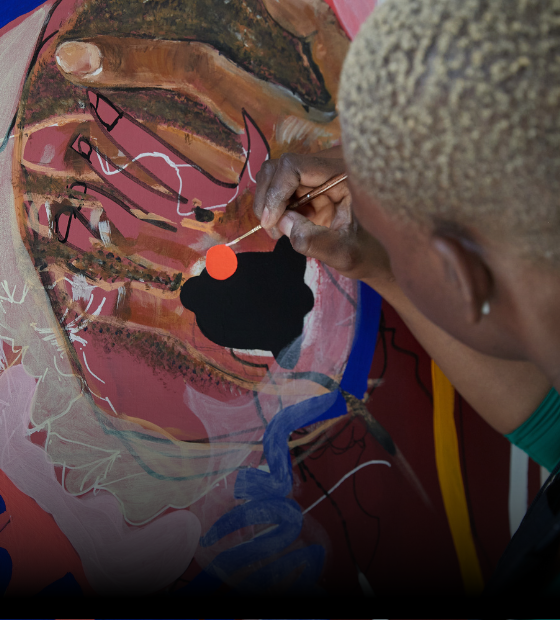

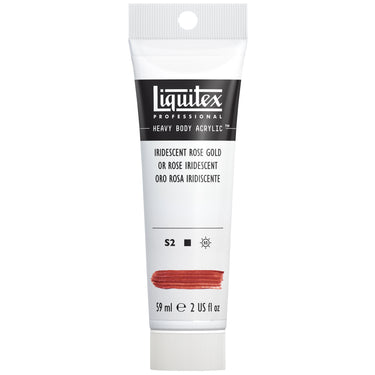
Glisten and radiate positivity with Iridescent Rose Gold, a warm, glowing pinky copper with an incredible luster. Highly opaque, this unique color reveals sparkling depths of gold and rose and is made from iridescent micra in an acrylic base.
ORIGINS
Rose gold first originated in the jeweler’s crucible as a precious alloy, made from a mix of pure gold with copper - and often a drop of silver. The result is a warm, pinkish hued gold: the more copper added, the deeper it becomes.
Carl Fabergé, renowned 19th century jeweler to the czars in Imperial Russia, was one of the first to put this precious metal to use as part of his ornate Fabergé egg series. Known as Russian gold, the alloy became increasing employed by jewelers further afield and was soon renamed rose gold. Cartier incorporated pink gold into many of its high jewellery designs in the opulent 1920s, reflecting the demand for newness from its fashionable, high society patrons. But when Art Nouveau ushered in a taste for monochromatic and geometric designs, rose gold fell from favor in place of icy white platinum. When World War II hit, platinum became a vital mineral (due to its high temperature resistance) and was deployed for engine parts, armaments and to make explosives and fuel components. With platinum off the table for jewelers, gold - both yellow and rose hues – was back in business and hasn’t looked back since.
WHERE IS IT USED?
Always a popular metal finish in continental European countries, rose gold has had a massive popularity surge in the last 15 years, becoming a hot color trend for accessories and interiors. Why? It feels luxe, aspirational and self-indulgent - the perfect antidote to a tough global reality. Rose gold is an escape and helps create a glossy reality. It’s a different way to do metallics and is super flattering for all skin tones. According to trend agency WGSN, rose gold metal first started its modern rise in 2012, and then hit the runways in accessories by Jimmy Choo and Roberto Cavalli. Influential British designer Tom Dixon launched a range of copper lights and homeware in 2013, and Apple took it to the mainstream. The rose gold iPhone 6S line released in September 2015 and was one of Apple's most popular launches to date, with 40% of all pre-orders for the rose gold model.
WGSN told the BBC "The copper trend definitely would have affected rose gold, because copper is very similar to rose gold, and copper enabled people to embrace metallics. The rose gold iPhone then caused the colour to hit critical mass.” In 2016 the color was named Pantone’s Color of the Year, under the title rose quartz. Rose gold even impacted drivetime when Spanish car maker Seat brought out a rose gold version of its Ibiza hatchback to "give a more sensitive touch to the automotive world". From pink-gold hair dye effects, to rose gold wedding gowns, bathroom taps, Dyson Airwraps and Smeg toasters, this lustrous finish remains part of the mainstream palette.
HOW TO USE IT
Glowing, metallic and always eye-catching: Iridescent Rose Gold isn’t a color to lurk in the shadows. Use it to highlight elements, to recreate naturalistic metal finishes, for fantasy and anime scenes, and for design and crafting. Ideal for color blocking due to its high opacity, it brings the drama and contrasts well with rich, deep colors like teal, emerald, navy and burgundy. Let it shine out by pairing it with white or cool neutrals including greiges and greys, or dial up its softer side by coordinating with champagnes, nudes and pastel pinks. Get a more earthy effect with terracotta or go high-beam-gleam by building into a design with a full spectrum of metallics.
Find Iridescent Rose Gold in Liquitex Heavy Body and Acrylic Ink.
RETRO LUXE
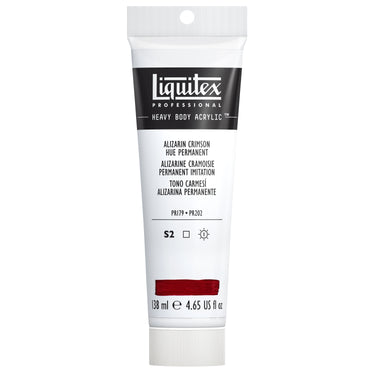
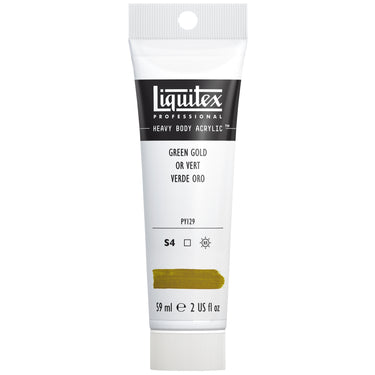
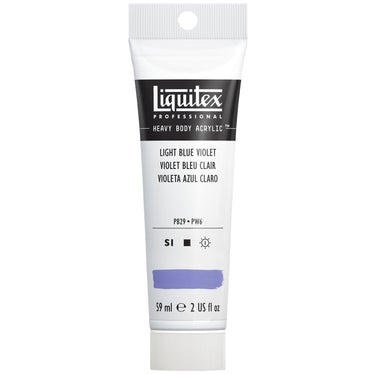
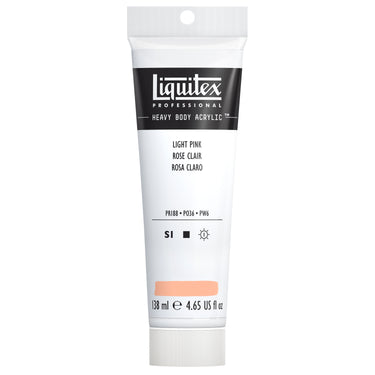
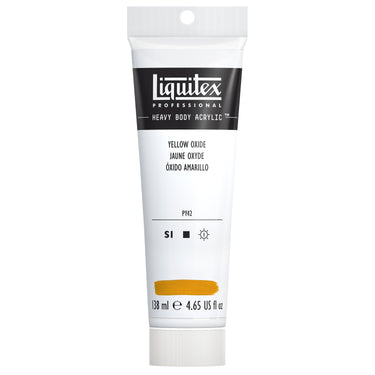
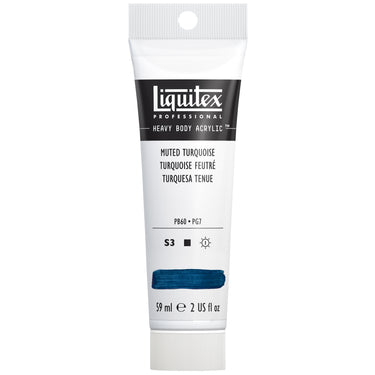
Part of the Liquitex Retro Luxe color trend for 2026, Iridescent Rose Gold glides into the palette along with Alizarin Crimson Hue Permanent, Muted Turquoise, Light Pink, Green Gold, Yellow Oxide and Light Blue Violet. Here vintage cool meets high-gloss glam: mid-century cocktail lounge mixes with disco afterglow as Retro Luxe gives a nostalgic nod to the future of opulence. Think velvet shadows lit by neon.
Retro Luxe is saturated but not loud. It brings drama without chaos, polish without perfection. Ideal for high-contrast moments, tonal layering, or pushing past the flat and into the cinematic. Use it to dial up the mood, throw in a touch of glitz, or remix old-school aesthetics with new-school edge. Nostalgia has never looked this fresh.










![LQX BASICS 24X22ML PAINT SET 887452028543 [FRONT]](http://www.liquitex.com/cdn/shop/files/80833_375x375_crop_center.jpg?v=1762458732)
![LQX ACRYLIC MARKER SET 6X 2-4MM CLASSICS [CONTENTS] 887452001225](http://www.liquitex.com/cdn/shop/files/68762_375x375_crop_center.jpg?v=1707320720)


![LQX BASICS 6x118ML SET 887452059226 [SET WITH CONTENTS 2]](http://www.liquitex.com/cdn/shop/files/130398_375x375_crop_center.jpg?v=1707324060)
![LQX BASICS 6x118ML SET 887452059226 [FRONT]](http://www.liquitex.com/cdn/shop/files/130396_375x375_crop_center.jpg?v=1762458768)
![LQX MATTE POURING MEDIUM SET [CONTENTS] 887452048695 [NA]](http://www.liquitex.com/cdn/shop/files/96237_375x375_crop_center.jpg?v=1762458531)